Hydrangea Garden Magic!

James Carter
| 31-10-2026
 · Plant Team
A garden filled with hydrangeas can bring a wonderful mix of color, texture, and seasonal interest to an outdoor space. Their rounded flower clusters, attractive leaves, and wide range of shades make them appealing choices for garden beds, borders, and decorative arrangements.
With thoughtful plant selection and suitable growing conditions, hydrangeas can become a highlight of the garden year after year.
Choosing the Right Hydrangea
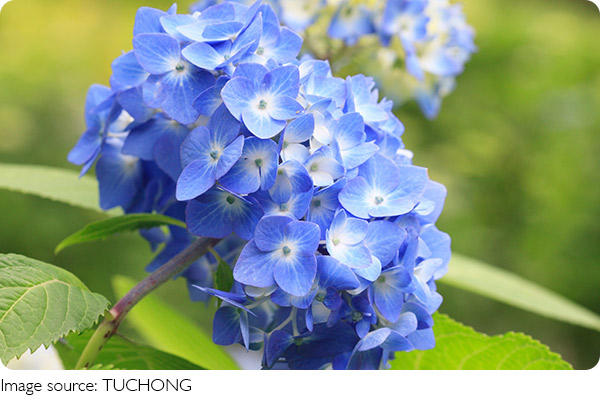
Hydrangeas belong to a diverse group of flowering shrubs, and different types have their own growing habits and flower shapes. Bigleaf hydrangeas, also known as Hydrangea macrophylla, include familiar mophead and lacecap varieties. Mophead hydrangeas produce large, rounded flower clusters that create a full appearance. Lacecap varieties have a flatter shape, with small flowers in the center surrounded by a ring of larger blooms.
Their more delicate structure offers a different look while retaining the charm associated with hydrangeas. Plant breeders have introduced numerous cultivars, giving gardeners plenty of options when selecting flower colors and plant sizes. Some produce pale shades, while others offer deeper purple, pink, or blue blooms. Comparing varieties before planting helps create a garden with a balanced combination of colors and shapes.
Finding the Best Planting Location
Light conditions play an important role in hydrangea growth. Bigleaf varieties generally perform well in partial shade, particularly in areas with warm summers. A location with gentle morning sunlight and protection from intense afternoon rays can help prevent excessive heat stress.
Before planting, observe how sunlight moves across the garden during the day. A spot that receives suitable morning light may be more comfortable for hydrangeas than an exposed area that stays hot throughout the afternoon. Space is another important consideration. Hydrangeas can grow into substantial shrubs, so avoid placing them too close to walls, pathways, or neighboring plants. Check the expected mature width and height of the selected variety to give it enough room to develop.
Understanding Hydrangea Colors
One fascinating feature of some bigleaf hydrangeas is their ability to produce different flower colors depending on soil conditions. Soil acidity and the availability of aluminum can influence whether certain varieties produce blue or pink blooms. In general, more acidic soil with available aluminum supports blue flowers, while less acidic conditions tend to produce pink blooms. However, not every hydrangea responds in the same way.
White varieties, for example, generally retain their color rather than turning blue or pink through soil adjustments. Gardeners interested in influencing flower color should first understand their existing soil conditions. A soil test can provide useful information before any amendments are applied. Making adjustments gradually is preferable to adding materials without knowing what the soil needs.
Watering and Everyday Care
Hydrangeas appreciate consistent moisture, especially while establishing new roots and during warm weather. Their broad leaves and generous flower clusters can require regular watering when rainfall is limited. Water the soil around the base of the shrub rather than relying on frequent light watering over the leaves. The goal is to keep the ground evenly moist without leaving it waterlogged. Good drainage remains essential because constantly saturated soil can damage roots.
Adding a layer of organic mulch around the planting area can help retain moisture and reduce competition from weeds. Keep the mulch slightly away from the main stems to avoid trapping excessive moisture against them.
Pruning requires attention to variety because different hydrangeas produce flowers on different types of growth. Some bigleaf varieties bloom on older stems, meaning heavy pruning at the wrong time can remove future flower buds. Check the specific variety's pruning needs before cutting back branches.
Creating Attractive Garden Combinations
A colorful hydrangea garden does not need to rely on a single shade. Combining blue, lavender, pink, and white varieties can create a gentle, coordinated appearance. Gardeners may group similar colors together for a unified display or place contrasting shades beside one another for greater visual interest.
Foliage also contributes to the overall design. The broad green leaves provide a natural background that helps the flower clusters stand out. Smaller flowering plants or low-growing greenery can fill spaces around the shrubs, provided they have compatible light and watering requirements.
Hydrangeas offer a rewarding combination of attractive foliage, varied flower shapes, and beautiful seasonal colors. Their success depends on selecting suitable varieties, providing appropriate light, maintaining steady soil moisture, and understanding their pruning needs.

With a little planning, even a modest garden can accommodate a lovely display. Choosing complementary shades and giving each shrub enough room creates an outdoor space that remains inviting throughout the flowering season.