Astronauts Living in Space

Samir
| 20-10-2026
 · Science Team
Dear Lykkers, have you ever wondered what it would be like to wake up in space, float across a room, or eat while looking down at Earth? Life beyond our planet sounds exciting, but everyday tasks require special skills and careful planning.
Astronauts live and work inside spacecraft or space stations, where simple activities can become unique experiences. Let's discover how they eat, sleep, exercise, and stay connected with home.
A Small but Well-Planned Home
A space station is both a workplace and a home. Its interior is carefully arranged to make the best use of limited room. Computers, tools, food containers, and personal items are secured so they do not float around in microgravity.
Sleeping areas usually contain sleeping bags attached to walls or other suitable surfaces. Astronauts secure themselves inside before resting, preventing them from drifting around the cabin. Since there is no ordinary sense of up and down, they can sleep in different positions. A regular sleep schedule helps them feel refreshed for daily tasks.
The station also has work areas with computers and scientific instruments. Special toilets use airflow and suction to collect waste because gravity cannot guide it into a container as it does on Earth. Astronauts follow clear instructions to keep these facilities clean and working properly.
Eating Meals Without Gravity
Food provides the energy astronauts need for their busy schedules. Space menus can include grains, vegetables, fruit, and protein-rich foods. Some meals are ready to eat, while others need water or heating before serving. Careful meal planning helps the crew receive enough nutrients during their missions.
Most food is stored in sealed packages to prevent crumbs from floating into equipment. Astronauts use suitable utensils and containers to manage their meals. Drinks are often kept in sealed bags with special openings, allowing them to take small sips without releasing liquid into the cabin.
Eating takes practice. On Earth, gravity keeps food on a plate and drinks inside a cup. In space, an unsecured piece of food may float away. Astronauts therefore handle each item carefully and follow planned meal times to maintain their energy throughout the day.
Working, Exercising, and Relaxing
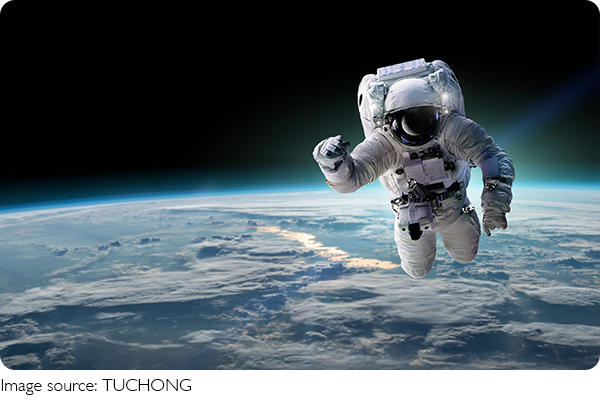
Astronauts spend much of their day conducting scientific experiments, checking equipment, and maintaining the spacecraft. Their research helps scientists study how living things respond to microgravity and how materials behave in unusual conditions. Some crew members also perform spacewalks, wearing specially designed suits to complete repairs or other tasks outside the station.
Exercise is essential because muscles and bones can gradually lose strength in microgravity. Astronauts follow daily fitness plans using treadmills, stationary bicycles, and resistance machines. Special straps and supports help them stay in position while exercising.
Free time is important, too. Crew members may read books, listen to music, watch films, take photographs, or chat with colleagues. Looking through a window offers beautiful views of oceans, clouds, and city lights. These relaxing moments provide a break from work and help astronauts feel at home.
Keeping Clean in Space
Personal hygiene requires different methods when water cannot flow and drain as it does in an ordinary bathroom. Instead of taking a regular shower, astronauts often use small amounts of water, damp cloths, and special cleansing products. They brush their teeth with suitable toothpaste and carefully manage water during cleaning.
Clothing is changed according to the mission schedule and available supplies. Since current space stations generally lack laundry facilities, used garments are stored for disposal according to onboard procedures. Limited storage space makes careful organization important.
Space suits serve a different purpose from everyday clothing. During spacewalks, they provide oxygen, maintain suitable pressure, and help control temperature. Their design protects astronauts while allowing them to work outside the station.
Staying Connected to Earth
Astronauts use communication systems to exchange information with mission control. Ground teams send instructions, help solve technical problems, and monitor the mission. When schedules allow, crew members can also contact their families through video calls or other communication services.
Living far from home can bring emotional challenges, so rest and friendly conversations matter. Regular routines, private time, and support from the ground team help astronauts manage their workload and maintain their well-being.

Final Thoughts
Life in space combines scientific work, exercise, careful planning, and relaxation. Even eating and sleeping require new habits, but these routines help astronauts live safely while exploring beyond Earth.
Lykkers, if you could spend one day aboard a space station, would you first watch Earth from the window, float through the cabin, or share a meal with the crew? Tell us which experience you would choose!
How do astronauts eat, sleep and live in space?
Video by How?