Why Minimal Rooms Win

Mariana Silva
| 20-06-2026
 · Lifestyle Team
Hi, Readers! Walk into many young people’s homes now, and the whole place often feels like a deep exhale.
Fewer things on the table, cleaner walls, softer colors, and furniture that actually has a job instead of just standing there like a confused extra in a movie. The growing love for minimalist living spaces is not just about style.
It is also about stress, money, habits, and the way people want to feel when they come home.
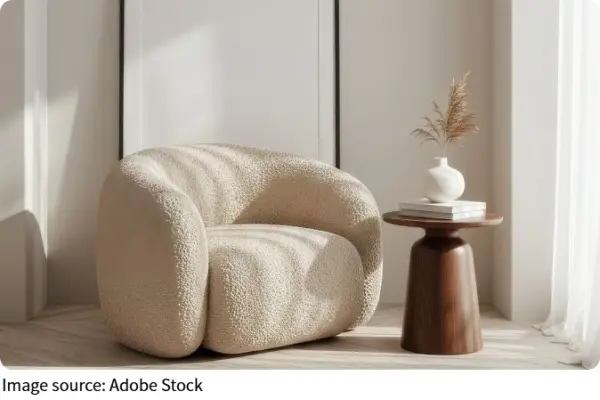
Minimalist interior design is built around simplicity, function, and intention. Instead of stuffing a room with decorations, this approach focuses on keeping only what is useful, meaningful, or visually calming. Clean lines, neutral tones, open space, and thoughtful furniture choices are all part of the package. It is less about making a room look empty and more about making it feel clear.
Less clutter, less mental noise
For many young people, daily life already feels like a browser with forty tabs open. Work messages, packed schedules, endless scrolling, and the general chaos of modern routines can make the mind feel like a kitchen drawer that will not close. A minimalist space offers relief. When there is less visual clutter, a room can feel calmer and easier to manage. That sense of order can make home feel like a reset button instead of another source of pressure.
Minimalist spaces also make everyday tasks simpler. Cleaning takes less time. Finding things is easier. There is less random stuff collecting dust in corners like it pays rent. That practical convenience matters, especially for people juggling busy routines in smaller homes.
Function matters more than excess
One big reason this style resonates with younger generations is that it matches a more intentional way of living. Instead of buying items just to fill space, many now prefer pieces that serve a purpose and last longer. In minimalist design, furniture and decor are chosen carefully. Each item should contribute something, whether that is comfort, storage, usefulness, or beauty.
This approach also works well in apartments and compact homes where every square foot matters. Open layouts, multipurpose furniture, and restrained decorating help a small space feel bigger. A room does not need to be packed to feel complete. Sometimes giving things room to breathe is what makes the whole place feel more livable.
Calm visuals, stronger identity
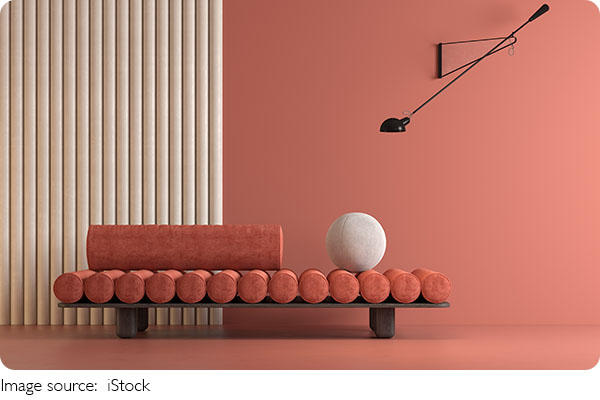
Minimalist interiors often use neutral palettes, natural materials, and simple forms. That combination creates a peaceful atmosphere, which is part of the appeal. But it does not mean every minimalist home looks the same. Personal style still shows up through texture, lighting, layout, and a few carefully chosen objects. It is like making a great playlist with fewer songs, but every track earns its place.
For young people, that balance is attractive. They want homes that look good, photograph well, and feel authentic without becoming cluttered display zones. Minimalism helps create spaces that are polished without being overwhelming. It supports comfort without demanding constant upkeep.
A lifestyle, not just a look
The rise of minimalist living spaces also connects to broader values. Many young people are rethinking consumption and paying more attention to what they bring into their homes. Choosing less can reflect a desire for more mindful living, better budgeting, and reduced waste. A minimalist room becomes a daily reminder to focus on what really adds value.
At the same time, this style offers flexibility. A simple base makes it easier to adapt a home over time. You can move things around, add one meaningful piece, or refresh a room without starting from scratch. That makes minimalism feel practical, not rigid.
In the end, the pull of minimalist living spaces is easy to understand. Young people are not just chasing a clean look. They are creating homes that feel calmer, smarter, and easier to live in. And honestly, when the outside world feels like a messy backpack stuffed with everything at once, coming home to a space with a little breathing room can feel like a very good idea.