Natural vs. Treated Gems

Owen Murphy
| 27-04-2026
 · Fashion Team
You're standing at a jewelry counter, light bouncing off a stone that looks perfect. The price seems reasonable. The seller smiles. In that moment, most people rely on instinct.
But instinct isn't how professionals tell natural gemstones apart from treated ones. They look for quiet details—tiny clues that reveal a stone's real story.
This guide breaks those clues down in a practical way, so you can judge gemstones with confidence instead of guesswork.
Observe the Stone Closely
Natural gemstones rarely look flawless. That's one of their biggest tells.
1. Examine the color carefully. Natural stones often show slight shifts in tone when you tilt them. A treated stone may look too even, as if the color was painted on.
2. Use strong light for inspection. If the color pools along cracks or edges, that can indicate surface dyeing.
3. Look inside the stone. Tiny lines, feather-like marks, or clouded areas usually form during natural growth. Perfect clarity across the entire stone is uncommon in untreated material.
Actionable tip: Ask to see the stone under a white LED light. Rotate it slowly and watch how the color changes from different angles.
Understand Treatments
Many gemstones are treated to improve appearance, and treatment doesn't always mean “fake.” It just means the stone has been altered.
1. Heat treatment can deepen or brighten color. It is stable and widely used, but it still reduces value compared to untreated stones.
2. Clarity-filled stones use transparent material to hide cracks. These fillings can weaken over time.
3. Color enhancement may involve surface coatings or chemical processes that change how light reflects.
Actionable tip: Ask directly, “Has this stone been treated in any way?” A trustworthy seller should answer clearly, not vaguely.
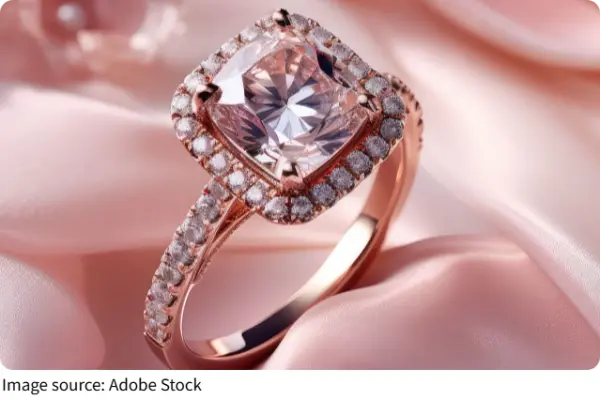
Check How It Interacts with Light
The way a gemstone reflects and disperses light is a strong indicator of its authenticity.
- Natural stones often sparkle unevenly. Some areas flash brightly, while others remain soft.
- Treated stones may show sharp, uniform flashes that look almost too controlled.
- Excessive light leakage—where light passes straight through rather than bouncing back—can indicate heavy treatment or poor cutting.
Actionable tip: Hold the stone about 30 cm from a window. Natural daylight reveals subtle differences that showroom lighting may hide.
Consider Weight and Temperature
Your hands can detect subtle clues about a stone’s origin.
- Natural gemstones usually feel heavier than they appear because of their higher density.
- When touched to the skin, untreated stones feel cool at first and warm gradually.
- Treated or heavily altered stones may feel lighter or heat up quickly.
Actionable tip: Compare two stones of similar size side by side. Even small differences in weight can be noticeable.
Verify Certification
Words are helpful, but documentation is more reliable.
- A recognized gem report identifies the stone and lists any detected treatment.
- Look for explicit wording such as “no indications of treatment” rather than vague phrases.
- Certificates also assist with resale, insurance, and long-term value.
Actionable tip: If a certificate isn’t available, ask whether one can be obtained before purchase. Hesitation can be a warning sign.
Consider the Price
Pricing often reveals the truth before the stone does.
- Natural, untreated gemstones command higher prices due to rarity.
- If a stone looks exceptional but costs far less than similar pieces, treatment is likely.
- Treatments don’t make a stone bad, but they should be reflected in a lower price—and clearly labeled.
Actionable tip: Check prices from at least two sellers for similar stones. Large price gaps usually have a reason.
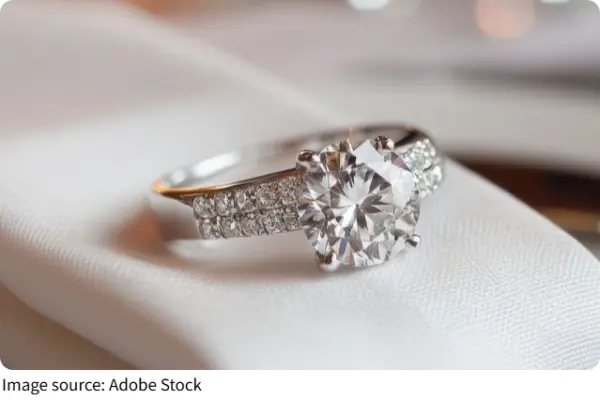
Buying gemstones isn't about catching someone in a lie. It's about understanding what you're paying for. A treated gemstone can still be beautiful and meaningful, especially when chosen honestly. Once you learn to spot subtle differences in color, light, weight, and paperwork, you stop relying on hope.
The next time a stone catches your eye, slow down. Let it tell its story. When you know how to listen, the difference becomes clear.