Dribbling Secrets Revealed

Liam Reilly
| 26-03-2026
 · Sport Team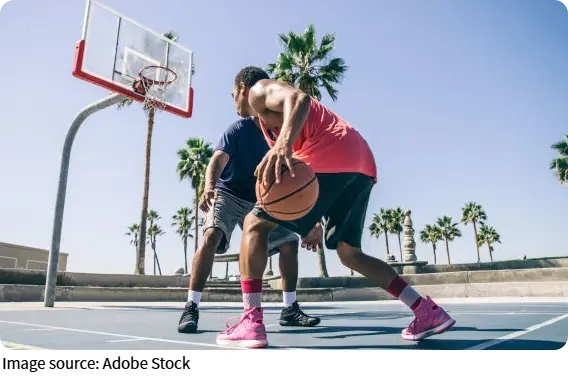
If we want to play basketball well, the first thing we need to master is dribbling. Every offensive move starts with the ball under control. Dribbling isn’t just moving the ball—it’s about creating opportunities.
We can break through defenses, launch attacks, adjust our positions, and find the best moments to pass or shoot. Learning to dribble effectively makes us more confident on the court and even helps improve our shooting touch.
Why Dribbling Feels Boring
Many of us struggle to stick with dribbling practice. Unlike shooting, where every basket gives instant feedback, dribbling progress is slow and invisible at first. That’s why patience is key. If we want to get better, we need to push past the initial boredom. Dribbling builds the foundation for real game control, and without it, all other skills feel shaky.
The Key Rule: Don’t Watch the Ball!
One of the most important points in dribbling is to keep our eyes off the ball. In a game, watching the ball too closely is a deadly mistake. We need to develop the habit of using our peripheral vision to see teammates and court situations. Only by keeping our head up can we make smart moves, spot passing lanes, and react to defenders in time.
Drill 1: Forceful Finger Taps
Start by tapping the ball with your fingertips. This strengthens our feeling for the ball and helps us control it better. Use both hands equally, and don’t be afraid to push your limits. The goal is to make the ball an extension of our hands.
Drill 2: Waist and Foot Circles
Circle the ball around your waist first, then around your legs. Alternate directions—twenty times each side. Add a head rotation to warm up the upper body. This drill may feel slow, but it’s excellent for body coordination and awareness of ball movement around us.
Drill 3: Stationary Dribbling
Next, we practice stationary dribbling. Start with high dribbles, pushing the ball down hard, left and right hands separately. Then switch to low dribbles, keeping the ball controlled at the fingertips, focusing on precision. Practicing with the non-dominant hand twice as much can balance our control.
Drill 4: Around the Legs
Keep the head up and dribble the ball around your legs in circles. Practice both hands, making sure we stay aware of the surroundings. For more challenge, try the figure-eight pattern—dribble the ball low, control with fingertips, alternate sides, and add under-the-leg passes. This enhances coordination and switching hands smoothly.
Drill 5: Hand Switching
Spread the ball wide, then practice switching hands while dribbling. This is similar to high dribbles in training but done low for control. Twenty repetitions per set, left and right. Low, precise dribbles in practice make game-time dribbles feel natural and effortless.
Drill 6: Advanced Handwork
Single-hand dribbles, alternating between front and back, inside and outside. Move our upper body to maintain rhythm, keeping control while simulating game movements. Add behind-the-back dribbles for power and awareness, always keeping the head up to read the court.
Consistency is Everything
The main challenge is persistence. We should make dribbling practice part of our daily routine. Even ten to fifteen minutes a day of focused drills can significantly improve control. Remember, dribbling is more than skill—it’s confidence. The more comfortable we are handling the ball, the faster we make smart decisions on the court.
Become Your Own Coach
By following these drills, we can gradually become our own basketball coaches. No one else needs to guide us step by step—we can take control, challenge ourselves, and track progress. The secret isn’t in magic moves; it’s in consistent practice, head-up dribbling, and learning to feel the ball with our fingertips. Stick with it, and soon dribbling will feel effortless, natural, and even fun.
Lykkers, grab a ball, head to the court, and try these drills today. Your control will improve faster than you expect, and every game will feel more under your command.
NEVER Lose The Ball AGAIN! How To Dribble A Basketball For Beginners
Video by Get Handles Basketball