Interior Design Tips

Amit Sharma
| 10-03-2026
 · Lifestyle Team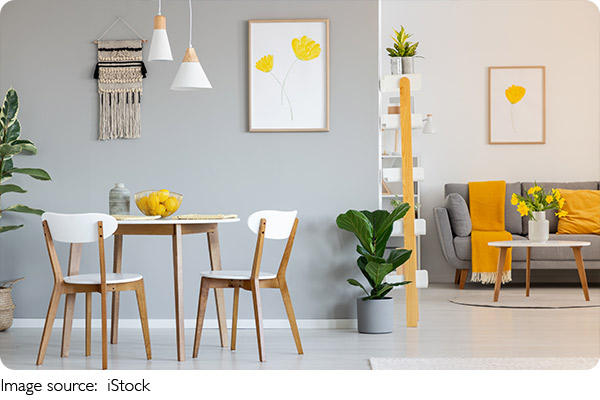
Walk into a beautifully designed room and something immediately feels different.
The colors seem balanced, the furniture looks intentional, and the space feels both comfortable and visually interesting.
Yet most of the time, that atmosphere is not created by expensive furniture or elaborate decorations. It often comes down to a few essential design principles used thoughtfully.
Interior designers frequently rely on a small set of core techniques to shape the mood and visual depth of a room. By understanding how color, texture, rugs, and materials work together, anyone can transform a plain space into one that feels carefully designed and welcoming.
Using Color to Shape the Atmosphere
1.Start with a cohesive color palette
One of the first steps designers take is selecting a limited palette of colors. Instead of filling a room with many competing shades, professionals often work with two or three main tones and a few supporting accents. This approach keeps the space visually calm and connected.
For instance, a living room might use soft beige walls, a warm gray sofa, and small accents of deep blue in cushions or artwork. The restrained palette allows each element to stand out without overwhelming the room.
2.Use contrast to create interest
While harmony is important, contrast prevents a room from feeling flat. Designers frequently balance light and dark elements to guide the eye across the space.
A light-colored wall paired with darker furniture can create depth, while darker flooring combined with lighter textiles can visually anchor the room. This balance helps the room feel layered rather than monotone.
3.Let color highlight focal points
Color can also draw attention to specific features in a room. A bold armchair, a striking piece of artwork, or a painted accent wall can become a visual anchor.
When used carefully, these highlights guide how people experience the space, making the design feel intentional rather than accidental.
Building Depth With Texture
1.Combine smooth and rough surfaces
Texture plays a major role in interior design, even when the color palette is simple. Designers often combine different materials to create subtle variation.
A smooth leather chair placed next to a woven rug or a soft fabric sofa beside a wooden table introduces tactile contrast. These small differences add richness without requiring additional decoration.
2.Layer textiles for comfort
Soft furnishings such as curtains, cushions, and throws help soften the structure of a room. Layering these textiles adds warmth and comfort while also contributing to visual depth.
For example, a neutral sofa can feel more inviting when paired with a textured blanket and several cushions in complementary fabrics.
3.Use natural materials
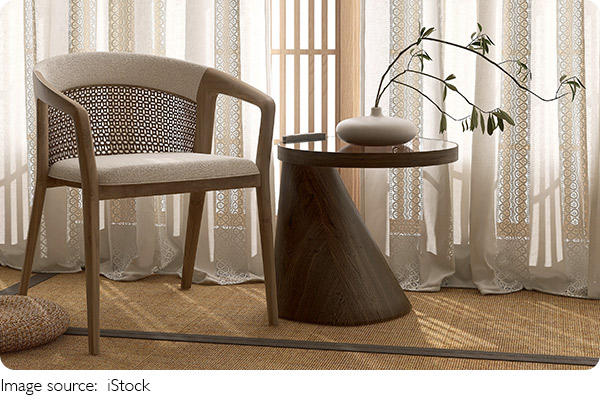
Natural elements such as wood, stone, or woven fibers often appear in thoughtfully designed interiors. These materials introduce organic texture and make a room feel grounded.
A wooden side table, a rattan basket, or a linen curtain can subtly enrich the environment while maintaining a relaxed and balanced atmosphere.
The Role of Rugs and Materials
1.Define spaces with rugs
Rugs are more than decorative pieces. They help organize the layout of a room and visually group furniture together.
In a seating area, placing a rug beneath the sofa and chairs connects the pieces into one cohesive zone. Designers often recommend selecting a rug large enough so that at least the front legs of the furniture rest on it.
2.Balance materials throughout the room
Successful interiors usually feature a mix of materials rather than relying on just one. A room might combine wood furniture, fabric upholstery, metal lighting fixtures, and glass accessories.
This combination prevents the space from feeling repetitive while maintaining harmony among the different elements.
3.Avoid overcrowding the design
One of the most common mistakes in decorating is adding too many objects too quickly. Designers often leave some areas intentionally simple, allowing the eye to rest.
A single well-chosen lamp or plant can sometimes create a stronger visual impact than several small decorative items placed together.
Thoughtful interior design rarely depends on dramatic changes. Instead, it grows from careful decisions about color, texture, rugs, and materials. These elements work together to shape how a room feels and how people move through it.
By paying attention to these essential principles, anyone can gradually refine their living space. A room that once felt ordinary can begin to feel balanced, comfortable, and visually engaging—proof that good design often comes from subtle choices made with intention.